domingo, 4 de marzo de 2018

TAIGA (Boreal Forest)

CHARACTERISTICS

  • Taiga is a coniferous forest that supports very cold temperatures and little rain.
  • Taiga is located in the North of the planet, it is like a line from Siberia to Atlantic coast of Canada.
  • Affected countries:United States , Canada , Norway,Sweden, Finland, Russia and Mongolia

Resultado de imagen de fotos de taiga nevadaResultado de imagen de mapa localizacion Taiga

TEMPERATURES

Taiga weather is hard, let´s see:
  • WINTER: average temperature is -30ºC
  • SUMMER: average temperatures is 19ºC
  • AUTUMN: & SPRING are very short seasons. They pass without realizing 


ANIMALS

In the Taiga, animals must be prepare for the long, hard and cold winter.
In that season, most of the animals have to emigrate or hibernate. And some others has a good fur to support low temperatures.

Type of animals:
- Herbivores: deer, reindeer and elk
- Carnivorous: Linx, fox, wolf, vison
- Birds: different types
-Omnivorous: Bear
- Rodents: Mouse, rabbits...

Resultado de imagen de animales taiga


VEGETATION

- Pine and firs predominate
- There are many ferns, mosses and lichens 

Resultado de imagen de vegetación taiga


THANK FOR YOUR ATTENTION!!!!!

Resultado de imagen de GIF DE OSO


MARINE ECOSYSTEM


Characteristics:

- The temperature in the marine ecosystem is from 12º to 30ºC

- There are many types of plants like marine algae, some are very little and they see with the microscope.
Some of them float and others live at the bottom of the sea or on the rocks


- Fish


- Shark


- Jellyfish


- Octopus


- Starfish


Food Web:

The sea lion eats fish
The fihs eats sea snail
The sea snail eats algae


Interaction With Humans:


- Positive: People try to clean the sea
                 We fish a little so that marine species are not stinging

- Negative: We throw garbage to the sea
                    Sometimes we catch crabs on the beach and we bother them


THANKS FOR YOUR ATENTION


**Temperate Forest**

           
            🎋🎋  TEMPERATE FOREST  🎋🎋   

Characteristics
  • 📈  Temperature: The temperate forest is a biome that is always changing in result of the seasons but it never gets too hot or too cold. 

  • 🌴 Vegetation: The vegetation in temperate forest is very abundant, they have a large variety of plants species.

  • 🐻  Animals: This biome has large diversity of life. The animals that live in temperate forest must be able to adapt to all the seasons. Some of the animals in this biome migrate o hibernate  during the winter months.


Location

           Where you can found temperate forest in the world ??

      You can found temperate forest in Canada, the eastern United                                 States, Europe and China. 


Food chains 

  The awk that is the tertiary consumer eat the mouse that is the         secondary consumer eat the grasshopper that is the primary   consumer eat the plant that is the producer and the mushroom that   is the decomposer eat all.   


Interaction with humans
  • 😢 Negative effect:  When agriculture was invented, temperate forest took a hit. Humans have been able to clear large parts of the forest to producer their crops, turning the area into an open farmland, or in logging.


  • 😤 Positive effect:   With increased tourism in the temperate forest, more economic support has come forward allowing for more protection of the habitats to be created. 
       Increased tourism has created a positive effect on wildlife and         protection of the temperate forest species. Some species have           increased in population size from help of humans. 


Temperate Forest

Temperate forest by Lucas Alonso


Temparate forest is an ecosystem.
Image result for temperate forest

  • Location: 40º to 60º north and south of the Equator, some areas occurs as far north.
  • Climate: Cool temperature. Between 15ºC and few degrees above zero in winter. Winters are cold and summer are warm.

  • Vegetation: Forest has a great variety of plants. There are small plants like lichens, and big trees. Trees are the most important in the forest.

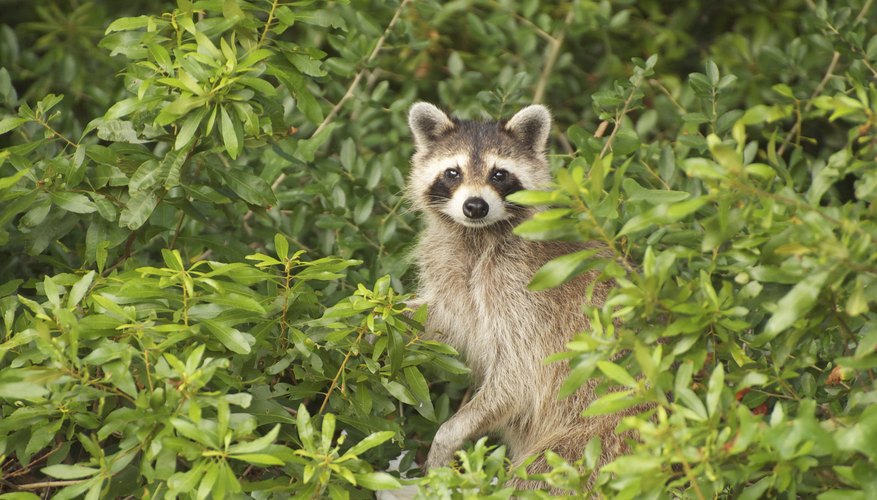
  • Fauna: Birds such as hawk, cardinals, ... Mamals such as red foxes, raccoons, ..They adapt to the changing seasons.
Image result for temperate forest fauna
Fun facts:
  • Fallen leaves litter the forest floor.
  • Most insect die or hibernate during the winter.
  • Trees support very cold conditions but they always need water

WARM DESERT


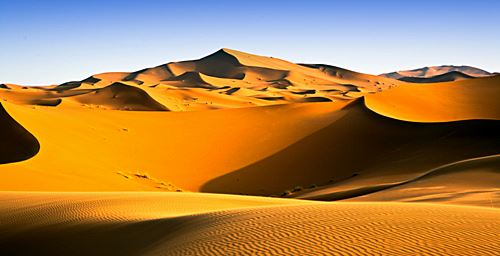
Resultado de imagen para sahara


CHARACTERICTIS

The warm desert climate is located in areas near the Tropics of Cancer and Capricorn.

Precipitations - The annual precipitations are very scarce. They do not usually reach the 150 mm annual and in the steppes or semiarid edges of the desert they fall between 750 and 150 mm.

TEMPERATURE

The temperature are very hight. The annual average exceeds 18ºC and there are strong and wide thermal contrasts between day and night. In most of the world's deserts, daytime temperatures reach 40 or 50ºC, although in the Sahara they can reach up to 57ºC. At night, the temperature drops to 0 or -10ºC
.


FAUNA

The fauna is scarce but it is very well adapted to the environment in which it lives. Some characteristic animals are: snakes, chameleons, scorpions, tarantulas, vultures, crows, roadrunners, turtles, coyotes, kangaroos, camels and dromedaries.                                            


FLORA

The Flo
ra is very little. The vegetation is sparse and adapts to dryness. Predominate xerophilous species, cacti and bushes. They have large roots, to take advantage of water from large amounts of land. They store water inside and transform the leaves into thorns to prevent evaporation. They also adopt a ball shape to protect themselves from the winds that carry sand.


WHERE IS LOCATED

It is located in areas close to the Tropics of Cancer and those of Capricorn. It covers a large part of Africa with the Sahara desert, which is the largest on the planet. It is also found in other regions such as: Australia, Arizona, Northern Mexico, South America and part of Central Asia.


FOOD CHAIN


The fox eats the mouse, the mouse eats the bird, the bird eats the plants. Decomposers (fungi and bacteria) eat dead animals and plants.


CURIOSITIES

  • 0,5 cubic millimeters was the average meteorological precipitation of Quillagua, in the Atacama desert (Chile), between 1964 and 2001.
  • 16% is the proportion of the world population that lives in desert regions.
  • 40 years can pass without a drop of water falling in these regions.
  • 50 meters is the depth reached by the roots of the Saharan acacia to find water.
  • 6ºC is the maximum thermal oscillation between day and night in the Sahara desert.
  • 200 liters is the volume of water that a camel can drink in a quarter of an hour.
  • 300 years can wait to germinate some seeds of Saharan plants.
  • 600 kilometers is the length that the roots of some desert shrubs reach to find water.
  • 8.000 liters is the amount of water that the giant saguaro cactus can store to survive during more than 2 years of drought.


THE INTERACTION BETWEEN HUMANS AND THE WARM DESERT

Positive
It is far from the urban centers.
It covers all climate varieties.

Negative
The summers are very hot and the winters are very raw.
Some people who live there treat animals badly.


Warm desert 🙈🙈

                         Warm Desert💩

Characteristics:
An area that features this climate usually experiences from 25 yo 200 mm (7.87 inches) per year of precipitation and in some years may experience noticia precipitation at all.


Averages may be even less such as in africa, chile where precipitation normalls annually stand at around 1mm pear year. 

Temperature 🌡️
The temperature is very high.
In the Warm Desert does very hot.😷
¿Where is located?
Most deserts lie between 15° and 35° north and south equator. They were created by air that rises over the equator and comes down over the TROPIC OF CANCER and the TROPIC OF CAPRICORN.


Vegetation ☘️
There is not a lot of vegetation. 🌳🌳


Food chain 🍽️
Some of animals in the Warm Desert:


Camels 😜
                Foxes❤
                                                 ...

                    The food chain is:

The eagle eats the snake, the snake eats the rabbit and the rabbit eats the plants.

Interaction with humans:
Positive 😄
There are less humans so animals can live peacefully. 👍
Negative:😑
The animals that live there go thirsty 👎


                                                      The end!!!


MARINE ECOSYSTEMS: