miércoles, 1 de marzo de 2017

domingo, 15 de enero de 2017
Digestive System.
How the Digestive System Works
The digestive sysmen is the set of organs responsable for the process of digestion is performed by the transformation of food so that they can be absorbed and used by the body cells.
Gastric juice begins the digestion of ingested proteins. The process ends n the small intestine. There, several enzymes of the pancreatic juice and the intestinal mucosa break down the huge molecules into a much smaller, called aminoacids.
Digestive track:
Mouth:Introduce the food and chew it until it becomes a food blolus.
Esophagus: is a duct extending from the pharynx to the stomach. It has a structure formed by two layersof muscles, which allow the contraction and relaxation in the descending direction of the esophagus and cause the food to advance to the stomach.
Stomach: The stomach is an organ in which food acuumulates. It is the one in charge of doing the chemical transformation since the gastric juices transform the bolus aliment. In the stomach is made the digestion.
Pancreas: It is a gland that secretes hormonesninto the blood to control sugars and facilitates digestion, its secretions are of great importance in the digestions of food.
Liver: is removes toxins and collects vitamins and nutrients. The liver processes, breaks down and balances the blood, creates the nutrients and metabolizes the drugs so that the body can use them without being toxic.
Spleen: Its main function is the destruction of old red blood cells, produce some new ones and manintain a reserve of blood. It is part of the lymhatic system and is the center of activity of the inmune systems.
Small intestine: In the small intestine the nutrients of the already digested foods are absorbed.
Large intestine: It absorbs the vitamins that are released by bacteria that inhabit the colon nad water. It also compacts feces, and soteres fecal matter in the rectum until it is expelled through the anus.

Fun facts
1) We always chew the food because if we did not chew it we wolud be dead by drowning.
2) To be born we have instinct to bite thigs.
3) We can nor get in the water after eating.
4) The liver has more than 500 functions.
lunes, 9 de enero de 2017
Respiratory System
Functions of Respiratory System
Through the breathing, inhalation and exhalation, the respiratory system helps the exchange of gases between the air and the bload and between the blood and the cells of the body.
The respiratory system facilitates us to smell and create sounds. There are five key functions of the respiratory system.

1) Inhalation and Exhalation are the Pulmonary ventilation - that's breathing.
2) External respiration exchanges gases between the lungs and the bloodstream.
3) Internal respiration exchanges gases between the bloodstream and body tissues.
4) Air vibrating the vocal cords creates sound.
5) Olfaction is a chemical sensation.

The parts of the respiratory system are: Nose, mouth, trachea, intercostal muscle, pleural membranes, rib, nasal passages, epiglottis, larynx, bronchus, bronchioles, alveoli, and diaphragm.
Functions of Respiratory System
Through the breathing, inhalation and exhalation, the respiratory system helps the exchange of gases between the air and the bload and between the blood and the cells of the body.
The respiratory system facilitates us to smell and create sounds. There are five key functions of the respiratory system.

1) Inhalation and Exhalation are the Pulmonary ventilation - that's breathing.
2) External respiration exchanges gases between the lungs and the bloodstream.
3) Internal respiration exchanges gases between the bloodstream and body tissues.
4) Air vibrating the vocal cords creates sound.
5) Olfaction is a chemical sensation.

The parts of the respiratory system are: Nose, mouth, trachea, intercostal muscle, pleural membranes, rib, nasal passages, epiglottis, larynx, bronchus, bronchioles, alveoli, and diaphragm.
RESPIRATORY SYSTEM

BREATHING WORKS IN TWO MODES:
- INSPIRATION: during inspiration, your diaphragm contracts and your chest cavity expands.
- EXPIRATION: during expiration your diaphragm relaxes and your chest cavity contracts.
HOW AIR TRAVELS AROUND BODY:
1.- Air enters the body througt the nostrills.
2.- The air travels down througt the larynx, the windpipe, the bronchi and the bronchioles, and finally reaches the lungs.
3.- Gas exchange takes places in the alveoli.

RESPIRATORY SYSTEM
The respiratory system :they transport the oxigen and expel the cabon dyoxid
in human body respratory system consits
of respiratory airways lung and respiratory muscle
that the movementof air both inside andoutsidethe human body
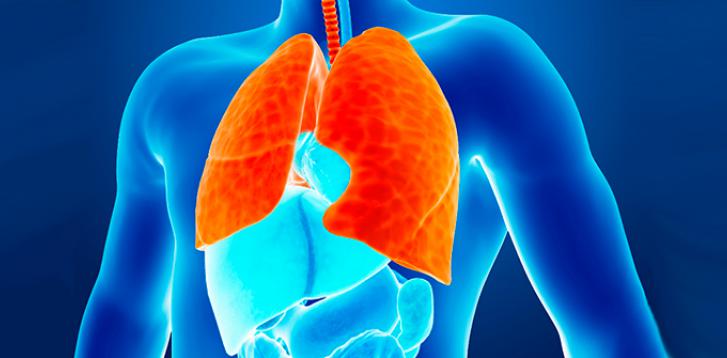
the echange of gasess is the echange of oxigen and carbon
dioxide from the living being whit the medium
withingthe system the lungs oxigen moleclues
and carbon dioxide are passibelli exanged by difussion
between the gaseous enviromentand the blood so the
respiratory systemfacilitates oxigenation continued
PARTS:nasal cavity ,oral cavity ,tounge, trchea
pleura, rhigh lung, diapragrm, pharhinx
epiglottis, larinx, bronchus left lung
we breaht 5 to 6 liters of airper minute
adult lungs can hold 3 liter of air

in human body respratory system consits
of respiratory airways lung and respiratory muscle
that the movementof air both inside andoutsidethe human body
the echange of gasess is the echange of oxigen and carbon
dioxide from the living being whit the medium
withingthe system the lungs oxigen moleclues
and carbon dioxide are passibelli exanged by difussion
between the gaseous enviromentand the blood so the
respiratory systemfacilitates oxigenation continued
PARTS:nasal cavity ,oral cavity ,tounge, trchea
pleura, rhigh lung, diapragrm, pharhinx
epiglottis, larinx, bronchus left lung
we breaht 5 to 6 liters of airper minute
adult lungs can hold 3 liter of air

Circulatorio system
The Circulatory system
Interactions it has with the other
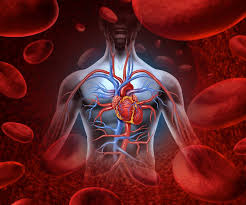
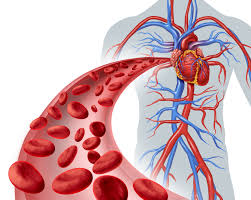
systems. The main function of the Circulatory System is it circulates
blood around the body and delivers essential substances to cells and
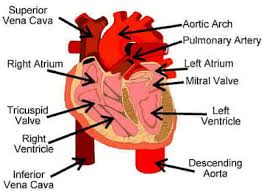
gets rid of waste. The four main organs in the circulatory system are
the heart, blood, blood vessels, and lungs. The heart keeps the body
freshly supplied with oxygen clearing harmful waste matters. The blood
is the basic fluid that keeps the body going. The blood vessels carry
blood to the kidney and heart. Then the lungs provide oxygenated blood.
Cardiovascular Illness was the disease and it happens when the blood
flows in the wrong direction. You can keep this system healthy by eating
nutritious foods and exercising. The Interactions with the nervous
system is when the brain tells the heart how much blood to pump. With
the respiratory system the lungs oxygenate the blood. It interacts with
the urinary system when it provides blood to make urine. Then with the
muscular system the cardiac muscle contracts and circulates blood around
the body. Next it interacts with the digestive system when the liver
cleans the blood. Finally it interacts with the endocrine system when
the Thyroid Gland regulates the blood pressure. I knew the organs before
we started but I didn't know their functions. I liked doing this
project once we got to the poster because I got to draw. Everything else
was basically research which was ok. If someone was looking at the
project they would learn that I'm an artist. I think it would've been
more helpful if we had web searches, so we knew we were at a reliable
resource.
https://www.youtube.com/watch?v=2f1XVx-YLCw
https://www.youtube.com/watch?v=2f1XVx-YLCw
Circulatory System
Circulatory System
1.-Functions
1.1 The principal function of circulatory system is to move oxygen and nutrients through all the body this is called pump blood.
1.2 Protect illnesses
Our body for protect from illnesses and infections use the white blood cells.


1.3 Clean up
Apart from oxigenate the blood also pump blood for cleaning the cells and taking the non used nutrients.
2.-What are ...?
2.1 What are white blood cells?
They are little cells that protect from bacterias and they prevent illness.
2.2 What are red blood cells?
They are microscopic cells that carry oxygen through the body.
2.3. What are platelets?
They are tiny cells that stop bleeding and close cuts creating a barrier.
2.4. What are capilars?
They are vessels which connect veins and arteries and also exchange substances inside the blood.
2.5. What is plasma?
It is a fluid that makes the blood cells float.
2.6 What are the veins?
They are vessels that carry blood to your heart.
2.7 What are the arteries?
They are are vessels which carry blood away from your heart.
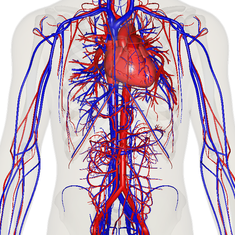 3.- Parts of Circulatory system
3.1 Heart
3.2 White blood cells
3.3 Red blood cells
3.4 Plasma
3.5 Capilars
3.6 Platelets
3.7 Veins
3.8 Arteries
4.- Fun facts
4.1 An adult has 5 o 6 l of blood and a child has 2,5 o 3 l of blood.
4.2 If you have high blood pressure you must control this because you possibly can have a heart attack. But don´t worry because to avoid this you can eat fresh vegetables, no sugar or salt, also is very good make exercise and have a healthy life.
Suscribirse a:
Entradas (Atom)