domingo, 4 de marzo de 2018

WARM DESERT


Characteristics: Deserts have extreme hot temperatures. During the day the temperature may reach 50°C, when at night it may fall to below 0°C. Deserts have less than 250 mm of rainfall per year. The rain can be unreliable. Most deserts are found between 20° and 35° north and south of the equator.


Food web:The eagle eats the snake,the kangaroo rats and the large lizards.The desert fox eats the snake and the large lizards.The large lizards eat the insects and the small lizards.The scorpion eats insects.The kangaroo rat eats the cactus.The snake eats kangaroo rats.The insects eat the cactus.


Where you can find warm deserts???
You can fnd in America,Asia,Australia and Africa.The most famous warm deserts are the Sahara and the Atacama.

Vegetation and water:There is little vegetation and there is very very very little water.


Negative and positive effects produced by people:
NEGATIVE.People throw so many plastic bottles and pieces of paper.

POSITIVE.Some people clean the deserts of the trash.


                               THANKS FOR YOU ATTENTION                         


sábado, 3 de marzo de 2018

Cold Desert

COLD DESERT

Where can we find a cold desert?


We can find cold deserts on Antarctica, Arctic and near the polar regions.Greenland and Neartic area. But the most important cold desert is Antarctica.

Do you know that the cold desert never rises above 10ºC in the summer? Puffff. it´s very cold 😬


Characteristics:

Cold desert is a terrestrial tipe of ecosystem. In the cold desert, the temperatures are extreme. These deserts have a long and cold winters with snow and rain. The summers are shorts and the temperature is warm. These deserts are covered with snow and ice

Vegetation:

There is a little vegetation. We found in this place shad scale, grasses and camels thorn, but in this desert the snow difficult that de plants grow. Others plants are lichens, mosses, bitter brush and rabbit brush. 

Animals:


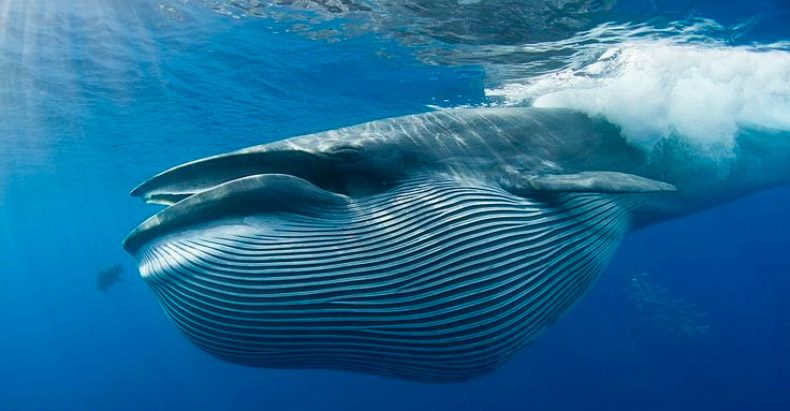
Few animals live in the cold desert. In Antarctica the animals live near of the cost. These animals depends of fish, squid and other sea animals for their food. Many animals are: Walrus, Arctic Wolf, Arctic Hare, Blue Whale, Rock Ptarmigan, Least Weasel, Arctic Wolverine, Harp Seal, Husky Sled Dogs, Emperor Penguin, Polar Bear, etc. 


Clic to see the video...


Other picture of animals, from the cold deserts


Blue Whale

Seal


Polar Bear


Food chain:


These picture is an example for the food chain in the cold desert.

Interaction with humans: 

A very important factor is a global warning because the ice is melting. This is destroying the ecosystem, and many species are in danger of extinction.

Positive:These deserts are protected for de governments.
Negative: Cold desert are very vulnerable for many reason: global warning, diversion of large rivers, etc. In the picture, we can see a biggest block of broken ice.


Please...save our planet, it´s wonderful.

🙏🙏🙏

Thank´s


SAVANNA


CHARACTERISTICS:

Savannas is a terrestial ecosystem cover half the surface of Africa, large areas of Australia, South America, and India.


WEATHER:

An important factor in the savanna is climate.


The climate is usually warm and temperatures range from 20 to 30°C.


Savannas exist in areas where there is a 6 - 8 month wet summer season, and a 4 - 6 month dry winter season.


During de wet season, it rains a lot and plants grow.


Theres is almost no rain during the dry season.


PLANTS:


The savanna is dominated by grasses and some shrubs. 

You won’t see many trees in the savanna because of little rainfall. 


Occasionally, you’ll find individual trees or small groves of trees.


Baobab trees also live in the savanna. 
They deal with dry conditions by storing water between the bark and meat of the tree. 


ANIMALS:


There are many different types of animals that live in the savanna.
Animals native to African savannas include African elephants, zebras, horses, and giraffes.


Many animals in the savanna are herbivores like zebras, elephants or giraffes, which means they eat plants, and there is plenty of grass in the savanna.


Many large predators live and hunt here, as well, including cheetahs, wild dogs, lions, leopards and hyenas.


The lion is king here, in the African savanna. 

Wildebeest, gazelle and zebra need to beware in this place.


FOOD CHAIN:


A food chain describes how different organisms eat each other, starting out with a plant and ending with an animal.


PEOPLE OF THE SAVANNA:

There are some humans living in the African savannah like the Maasai. They are perhaps one of the best known people of Africa.  They live near the Serengeti.


Positive: The savanna is home to many animal species.

Negative: The hunt that humans make of animals.


Thank you for your atention


Marine ecosystem

MARINE ECOSYSTEM


1. INTRODUCTION


An ecosystem is a dynamic system constituted by a community of organisms, such as plants and animals, with their environment.

The marine ecosystem is part of aquatic ecosystems and can be defined as the interaction of plants, animals and the environment found in the sea, with this type of ecosystem being the largest of 70% of seawater.

Marine ecosystems include oceans, seas and marshes, among others. The marine environment is very stable, if we compare it with terrestrial or freshwater habitats


2. CHARACTERISTICS OF THE MARINE ECOSYSTEM


• Make up 70% of the earth's surface.

• Dissolve the salts in their waters.

• They provide humans with food and generate socioeconomic benefits.

• They are within the category of aquatic ecosystems.

• Includes seas, oceans and marshes.

• It has two types of regions: photic, which have light; and aphotic, which have no light.

• They have a great biological diversity.

• The marine currents are in charge of mobilizing the nutrients for the development of the beings that inhabit the sea.

• The water is dense.


3. TYPES


  • The reefs
  • Shallow waters surrounding the coast
  • Coast zones
  • Rocky coasts
  • Estuaries
  • Coastal lagoons
  • Mangroves


4. WILDLIFE OF THE MARINE ECOSYSTEM

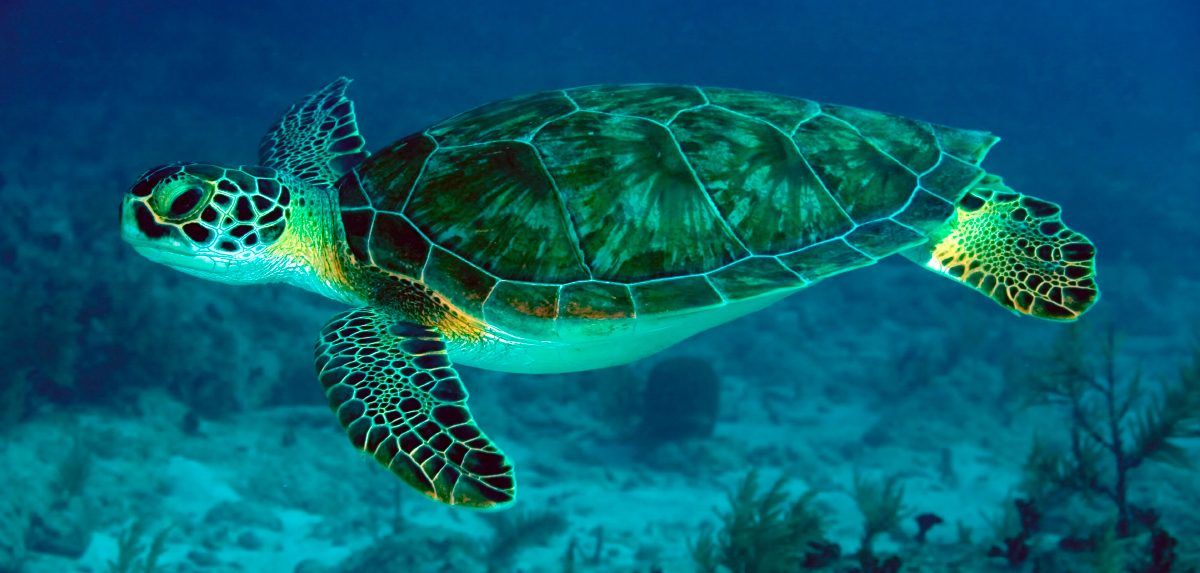
It consists of all the animals and living beings that exist in the searegardless of their size. From the smallest as the protozoos to the great vertebrates like the whales. They include a great variety of species, from mammals like the dolphin, otters to birds like seagulls and pelicans, we can even find wildlife, mollusks, starfish and crustaceans. The turtles, although they are reptiles, also form part of the marine fauna.


turtle
 shark


fish
whale


5. FOOD CHAIN

Every living thing needs energy in order to live. A food chain shows how each living thing gets food, and how nutrients and energy are passed from creature to creature. Food chains begin with plant-life, and end with animal-life. Some animals eat plants, some animals eat other animals.

One example in marine ecosystems is: 


The shark eat the turtle,the turtle eat the fish and the fish eat alge.When the shark dies they eaten by decomposer


6. INTERACTION WITH HUMANS 

    Positive:the humans sail

    Negative:  humans TROW WASTE TO THE SEA


THANK YOU FOR  YOUR ATTENTION


TAIGA


It is the world´s largest land, across Europe (Sweden, Finland, Norway and much of Russia), North America (Alaska and Canada) and Asia (Siberia and Japan).

It´s known as boreal forest in Canada but it´s also known as Taiga, a Russian word.


This biome typicall has short, wet summers and long cold winter. For six months of the year, the Taiga is below freezing. 
Temperatures can reach as low as -50ºC during the winter.

Precipitations comes in the form of fog and snow during the winter and there is a little rainfall during summer. 
It´s a very cold land.

In summer
In winter


Vegetation: it´s a coniferous forest. Trees are: many types of fires, spruce, pines, piceas and larches.
Plants grow slowly during the summer. On the soil there are also mosses, ferns and lichens. 
Soils are acidic, low on nutrients.
The trees have shallow roots, due to the thin soil.


Animals: 
Mammals: wolves, bears,  artic fox, muskoxes, also the Siberian tiger, eurasian lynx, wolverines, elks, mooses, mice,  and humans. 
Birds: Great grey owl, pheasant, white-tailed sea eagle and many types of migratory birds.

Siberian tiger
  
Great grey owl


Food Chain


Positive effects: The boreal forest represents 29% of the world´s forest, to date, only 12%  of boreal forest is protected. 

Negative effects: When humans cut down trees in Taiga, they take a very long time to grow. Wood is used to make paper. Also development of mines and extraction of gas and oil.


Toronto in Canada, and Moscow in Russia are located in the Taiga but most of this biome is uninhabited by people.


viernes, 2 de marzo de 2018

SAVANNAHS

Characteristics :

Savannahs is a terresial ecosystem.
  • Locatian:
Savannahs are in Australia ,South America ,Africa and India.The African savannah is the most important .
Savannahs in the world


  • Temperature :
Temperatures are high all year long , from 20º to 30ºC.There is a wet season and a dry season .In the wet season,it rains a lot and the plants grow .During  the dry season, sometimes lightnings burn the dry grass.

  • Vegetation:

The savannah is dominated by grasses as the shrubs.You will not see many trees because there is little precipitations in the dry season.


  • Animals:
They are a great variety of animals like elephants, giraffes, zebra, lion, gazelle. During the dry season the drought is so intense that some animals has to migrate to  find water like wildebeest .


Wildebeest migration


Food Chain:

Many animals in the savannah are hervibores,which means that they eat plants and is plenty of plants in the savannah.The carnivores, like lions,  eat other animals.

For example :The lion eats the gazelle, the gazelle eats the grass and when the lion dies, the bacteria eat him .


Positive and negative effects that the humans do:


POSITIVE: Tourists bring money and help to the conservacion of natural parks 

NEGATIVE: Large areas of grassland have been changed in to farms .Sometimes the fire are started by humans. Some animals are hunted by humans, like the elephant or the rino. 


This video is about the African savannah. 
I hope you like it!!! 😄😊😄😄😄😄😄


jueves, 1 de marzo de 2018

Marine ecosystem

MARINE ECOSYSTEM

CHARACTERISTICS
Marine ecosystem , complex of living organisims in the ocean enviroment .

Marine waters cover two-thirds of the Surface of the Earth.In some places the ocean is deeper than Mount Everest is high ; for example ,the Mariana Trench and the Tonga Trench in the western part of the pacific ocean reach depths in excess of 10,000 metres (32,800 feet ) . Within this ocean hábitat live  a wide variety of organisims that have evolved in response to varous features of their environs.
HOW DOES INTERACT WITH HUMANS?
POSITIVE EFFECTS ⇨1 Stop wáter contamination in beaches.
2 Stop trawling fishing.
3 Take care of the meadow marine live.
4 keep the bottom of the sea clear.
NEGATIVE EFFECTS⇨1Trawling fishing damages all bottom of the sea.
2 humans extract sand for the beachand they destroy and damage poseidonia meadows.


3 wáter contamination also damages poseidonia.
picture of marine ecosystem

food chain 
1 primary producer ⇨plants (poseidonia)
2 consumers ⇨herbivores:they feed on the plant . example:Salema fish and Green turtle .
primary consumers:snails , slugs , starfish , urchins feed many algae live attached to poseidonia.
secundary consumers:variety of fish.Examples:espetones,cabrachos and octopus.
Top consumers:humans catch fish and then we eat the fish .
3 decomposers when plants and fish dead they are helping puting nutrients back into the bottom of the sea.Examples:fungi,bacteria and worms.
More information
1. Posidonia meadows habits the mediterranean sea.
2. In Spain it´s found in all the coastal provinces of the mediterranean.
3. Our ecosystem Project is abut Cabrera island in Balearic.
4. Poseidonians are ecosystems with high biodiversity.